


Vascular Dementia and Cerebral Ischemia: Understanding Vascular-Related Cognitive Impairment
Vascular Dementia and Cerebral Ischemia: Understanding Vascular-Related Cognitive Impairment
Vascular dementia is a cognitive disorder associated with impaired cerebral blood flow and ischemic injury within brain tissue. It is directly linked to cerebrovascular disease and systemic vascular risk factors.
Vascular Dementia:
What It Is and Why It Matters
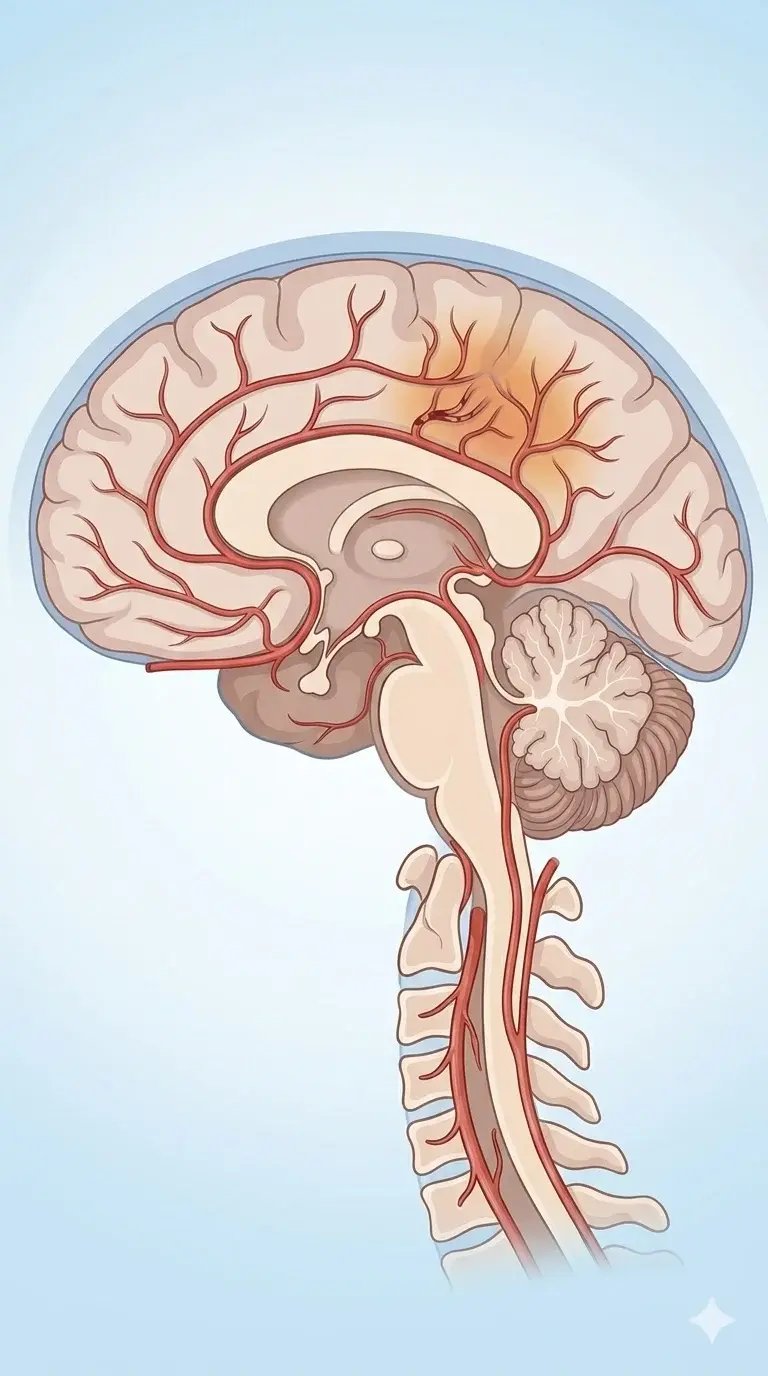
Vascular dementia is the second most common form of dementia after Alzheimer's disease, and unlike Alzheimer's, it has a direct and identifiable cause: reduced blood flow to the brain. When the blood vessels supplying the brain become damaged, narrowed, or blocked, brain tissue is deprived of the oxygen and nutrients it needs to function. Over time, this leads to cognitive decline that affects memory, thinking, reasoning, and the ability to manage everyday tasks.
What makes vascular dementia distinct is that it is a consequence of vascular disease, not a standalone neurological condition. The same processes driving peripheral arterial disease, cardiovascular ischemia, and chronic limb threatening ischemia can also be silently damaging the small vessels inside the brain. For many patients, a vascular dementia diagnosis is the first indication that systemic vascular disease has been present and progressing for years.
Vascular dementia does not always look the way people expect. It can develop suddenly after a stroke, or it can accumulate gradually through repeated small vessel injuries that individually seem insignificant but collectively erode cognitive function over time. Some people notice changes in their ability to plan or make decisions before memory loss becomes apparent. Others experience mood changes, slowed thinking, or difficulty with balance and coordination alongside cognitive symptoms.
Understanding vascular dementia as a vascular condition, not just a memory condition, is the first step toward getting the right evaluation and protecting both brain health and overall vascular health.
Symptoms and the Lived Experience of Vascular Dementia
Vascular dementia rarely announces itself clearly. For most families, the early signs are subtle and easy to rationalize, a little more forgetfulness than usual, some difficulty finding words, a decision that seemed out of character. It is only in hindsight that the pattern becomes visible. By the time a diagnosis is made, many families have been quietly worried for months or years, unsure whether what they were seeing was normal aging or something more serious.
Symptoms and the Lived Experience of Vascular Dementia
Vascular dementia rarely announces itself clearly. For most families, the early signs are subtle and easy to rationalize, a little more forgetfulness than usual, some difficulty finding words, a decision that seemed out of character. It is only in hindsight that the pattern becomes visible. By the time a diagnosis is made, many families have been quietly worried for months or years, unsure whether what they were seeing was normal aging or something more serious.
Memory lapses, particularly for recent events or conversations
Slowed thinking and difficulty processing information quickly
Trouble with planning, organizing, or following multi-step tasks
Difficulty concentrating or staying on track during conversations
Confusion about time, place, or familiar surroundings
Changes in mood or personality, including increased irritability, anxiety, or apathy
Depression that develops alongside or before cognitive symptoms
Gait changes, shuffling, or balance problems that appear alongside cognitive decline
Difficulty finding words or following conversations in noisy environments
A general sense that something is off that is hard to articulate

Why Vascular Dementia Happens
Vascular dementia develops when the blood vessels supplying the brain are damaged, narrowed, or blocked, reducing the oxygen and nutrients brain tissue needs to function normally. This is almost always the result of systemic vascular disease that has been progressing for years, often silently, before cognitive symptoms appear. Understanding the underlying causes helps families make sense of how and why the condition developed.
Why Vascular Dementia Happens
Vascular dementia develops when the blood vessels supplying the brain are damaged, narrowed, or blocked, reducing the oxygen and nutrients brain tissue needs to function normally. This is almost always the result of systemic vascular disease that has been progressing for years, often silently, before cognitive symptoms appear. Understanding the underlying causes helps families make sense of how and why the condition developed.
Atherosclerosis and Large Vessel Disease
Plaque buildup inside the arteries supplying the brain progressively narrows the vessels and reduces cerebral blood flow. When a large vessel becomes significantly blocked or a piece of plaque breaks off and travels to the brain, the result can be a stroke or transient ischemic attack that causes immediate and noticeable cognitive change.
Small Vessel Disease
Damage to the tiny vessels deep inside the brain is the most common underlying mechanism in vascular dementia. These small vessels lose their ability to regulate blood flow, become thickened or leaky, and gradually deprive surrounding brain tissue of oxygen. The cognitive decline this causes is often slow and cumulative rather than sudden.
Chronic Cerebral Hypoperfusion
When blood flow to the brain is persistently reduced over time, even without a discrete stroke or vascular event, brain tissue becomes chronically stressed. This sustained low level ischemia disrupts neural networks, damages white matter, and contributes to the gradual cognitive decline many vascular dementia patients experience.
Hypertension
Chronic high blood pressure is the single strongest modifiable risk factor for vascular dementia. It damages the endothelium, accelerates small vessel disease, increases the risk of stroke, and impairs the brain's ability to regulate its own blood flow. Uncontrolled hypertension over years or decades is a primary driver of cerebrovascular injury.
Diabetes and Metabolic Disease
Diabetes damages both large and small blood vessels throughout the body, including those supplying the brain. The combination of vascular injury, inflammation, and impaired glucose metabolism significantly increases the risk of cerebrovascular disease and accelerates cognitive decline in affected patients.
A Systemic Vascular Pattern
Vascular dementia shares its root cause with peripheral arterial disease, cardiovascular ischemia, and chronic limb threatening ischemia. The same systemic vascular disease that reduces blood flow to the legs and heart can simultaneously be reducing blood flow to the brain. A vascular dementia diagnosis should prompt comprehensive vascular evaluation, not just neurological management.
Types of Vascular Dementia and Cerebral Ischemia
Vascular dementia is not a single condition. It encompasses several distinct patterns of cerebrovascular injury, each reflecting a different mechanism of reduced blood flow to the brain. Understanding which type is present influences how the condition is diagnosed, managed, and monitored over time.
Types of Vascular Dementia and Cerebral Ischemia
Vascular dementia is not a single condition. It encompasses several distinct patterns of cerebrovascular injury, each reflecting a different mechanism of reduced blood flow to the brain. Understanding which type is present influences how the condition is diagnosed, managed, and monitored over time.
Post Stroke Dementia
Cognitive impairment that develops following a significant stroke. When a large vessel is blocked or ruptures, the resulting brain injury can cause immediate and noticeable changes in memory, language, reasoning, or physical function. Post stroke dementia is often the most visible and clearly diagnosed form because the triggering event is identifiable.
Multi Infarct Dementia
Caused by a series of smaller strokes, some of which may be silent and produce no obvious symptoms at the time they occur. Each infarct causes a small area of brain damage. Over time the cumulative effect of multiple infarcts across different brain regions produces progressive cognitive decline. Patients often show a stepwise pattern of deterioration rather than a gradual slope.
Small Vessel Disease and White Matter Dementia
The most common form of vascular dementia. Damage to the tiny vessels deep inside the brain causes widespread injury to the white matter, the network of connections that allows different brain regions to communicate. Symptoms often include slowed thinking, difficulty with planning and concentration, mood changes, and gait disturbances before memory loss becomes prominent.
Mixed Dementia
Many patients have both vascular dementia and Alzheimer's disease simultaneously. Mixed dementia is more common than previously recognized, particularly in older adults. The vascular component may accelerate the progression of neurodegenerative changes, making accurate diagnosis and comprehensive vascular management especially important.
Vascular Cognitive Impairment
A broader category that includes cognitive changes caused by cerebrovascular disease that do not yet meet the threshold for a dementia diagnosis. Vascular cognitive impairment represents an earlier and potentially more treatable stage of the disease spectrum. Identifying and managing vascular risk factors at this stage offers the greatest opportunity to slow progression.
A Systemic Pattern
The cerebrovascular disease driving vascular dementia rarely exists in isolation. Patients with vascular dementia frequently have coexisting peripheral arterial disease, cardiovascular ischemia, or chronic limb threatening ischemia. Recognizing ischemia as a whole body condition helps clinicians and families understand why symptoms may be appearing in multiple systems simultaneously.
How Vascular Dementia Is Diagnosed
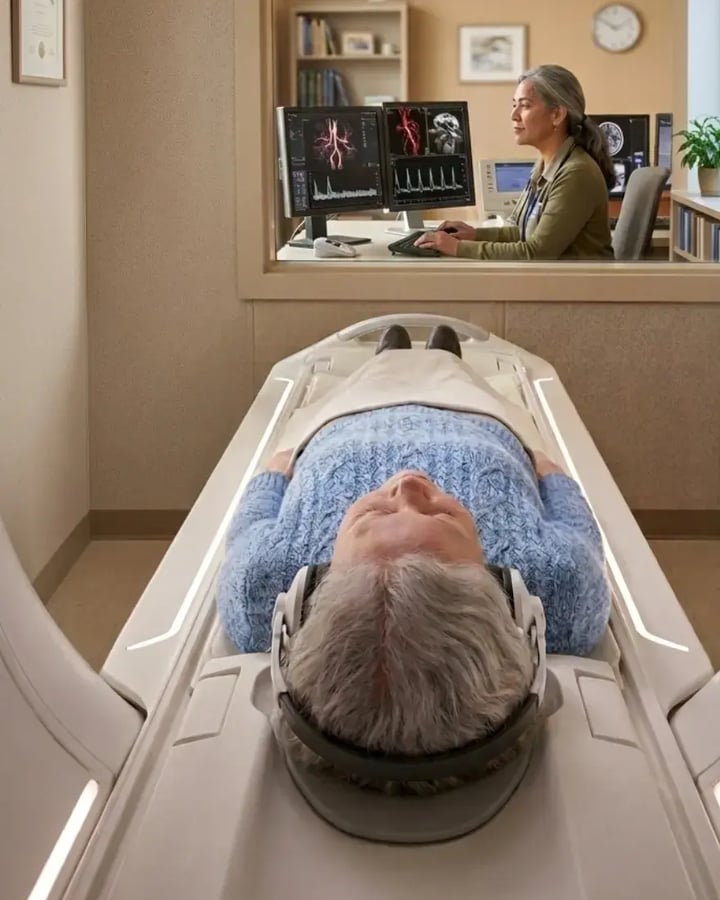
Diagnosing vascular dementia requires distinguishing it from other forms of cognitive decline, identifying the underlying cerebrovascular disease, and understanding how much of the cognitive impairment is vascular in origin. Because vascular dementia shares symptoms with Alzheimer's disease and other dementias, and because mixed presentations are common, diagnosis depends on combining clinical evaluation, cognitive testing, and brain imaging into a complete picture.
.webp?width=720&height=900&name=Pad%20testing%20(1).webp "Pad testing (1)")
Clinical History and Caregiver Input
The diagnostic process begins with a detailed conversation about when symptoms first appeared, how they have changed over time, and whether decline has been gradual or stepwise. Caregiver and family observations are essential here. Patients themselves may not be aware of the full extent of their cognitive changes, and the people closest to them often provide the most accurate and complete picture of what has shifted and when.
Neurological Examination
A structured physical and neurological examination assesses motor function, reflexes, coordination, balance, and gait. Gait disturbances and balance problems are particularly important in vascular dementia because they frequently appear alongside or before cognitive symptoms and reflect the involvement of deep brain structures affected by small vessel disease.
Neurocognitive Testing
Standardized cognitive assessments evaluate memory, executive function, processing speed, attention, language, and visuospatial ability. These tests help quantify the degree of impairment, identify which cognitive domains are most affected, and track changes over time. The pattern of cognitive deficits often points toward a vascular rather than neurodegenerative cause.
Brain MRI
The most important imaging tool in vascular dementia diagnosis. MRI can identify white matter changes, lacunar infarcts, cortical or subcortical strokes, and evidence of chronic small vessel disease. The distribution and extent of these findings help clinicians correlate imaging with symptoms and assess the vascular contribution to cognitive decline.
Vascular and Cardiovascular Assessment
Because vascular dementia is a manifestation of systemic vascular disease, diagnosis includes evaluation of cardiovascular risk factors, carotid artery imaging, and assessment of cerebral circulation. This broader vascular evaluation helps identify modifiable risk factors that may be driving ongoing cerebrovascular injury and guides treatment decisions beyond neurological management alone.
The Hachinski Test
The Hachinski Ischemic Score is a simple, well-established screening tool that doctors and researchers have used for decades to help identify when vascular issues - like small strokes or reduced blood flow - may be contributing to memory or thinking changes. Its 13 straightforward questions are built directly from patterns that neuropathological studies confirm reliably track with vascular versus other causes of cognitive decline, which is why it remains a trusted starting point for both clinicians and patients today. Taking it takes only a few minutes and gives you a clear, evidence-based result you can bring to a conversation with your care team - a meaningful first step toward answers, whether you're noticing changes yourself or watching for them in someone you love.
How Vascular Dementia Progresses Over Time
How Vascular Dementia Progresses Over Time
Vascular dementia does not follow a single predictable path. Its progression depends on the type and location of cerebrovascular injury, the presence of ongoing vascular disease, and how aggressively underlying risk factors are managed. Understanding the general trajectory of the condition helps families anticipate what changes may come, recognize when to seek additional evaluation, and make informed decisions about care at every stage.
Stage 1: Vascular Cognitive Impairment Without Dementia
Subtle cognitive changes are present but do not yet significantly interfere with daily functioning. A person may notice that they are slower to process information, have more difficulty concentrating, or feel that their thinking is less sharp than it used to be. These changes may be attributed to stress, aging, or fatigue. This stage represents the earliest and most treatable point on the spectrum, where aggressive vascular risk factor management has the greatest potential to slow progression.
Stage 2: Mild Vascular Dementia
Cognitive changes become more consistent and begin to affect daily life in noticeable ways. Planning and organizing tasks that were previously automatic now require more effort. Memory lapses become more frequent. Mood changes, increased irritability, or withdrawal from social activities may emerge. Families begin to notice that something has shifted even if a formal diagnosis has not yet been made. Driving, financial management, and medication adherence may become areas of concern.
Stage 3: Moderate Vascular Dementia
Cognitive impairment is now significant enough to require regular support. The person may become confused about time or place, struggle to recognize familiar people or surroundings, and have difficulty managing basic daily tasks independently. Behavioral symptoms including agitation, anxiety, depression, or sleep disturbances become more common. Caregiver involvement increases substantially at this stage and the emotional burden on families intensifies.
Stage 4: Severe Vascular Dementia
The person requires comprehensive support for most or all daily activities. Communication becomes increasingly difficult. Physical symptoms including significant gait impairment, incontinence, and swallowing difficulties may develop. The person may no longer be able to recognize close family members consistently. Care planning at this stage focuses on comfort, dignity, safety, and supporting the wellbeing of both the patient and their caregivers.
Stage 5: End Stage and Palliative Care
In the most advanced stage, the person is fully dependent on others for all aspects of care. The focus shifts entirely to comfort and quality of life. Families navigating this stage benefit significantly from palliative care support, caregiver counseling, and community resources that acknowledge the profound emotional weight of this experience. For families who pursued investigational evaluation earlier in the disease course, this stage reflects the importance of acting while options are still available.
Current Treatment for Vascular Dementia
There is currently no cure for vascular dementia. Treatment focuses on slowing progression by protecting the brain from further vascular injury, managing symptoms, and supporting the quality of life of both patients and their caregivers. Because vascular dementia is a direct consequence of systemic vascular disease, the most important interventions target the underlying cardiovascular risk factors driving ongoing cerebrovascular damage.
Blood Pressure Management
Controlling hypertension is the single most impactful treatment strategy in vascular dementia. Chronic high blood pressure is the leading driver of small vessel disease and cerebrovascular injury. Achieving and maintaining target blood pressure significantly reduces the risk of additional vascular events and may slow cognitive decline.
Cholesterol and Lipid Management
Statin therapy and lipid lowering medications reduce plaque progression in the arteries supplying the brain, stabilize existing plaque, and lower the risk of stroke and further cerebrovascular injury. Lipid management is a standard component of vascular dementia care for most patients.
Diabetes and Glycemic Control
In patients with diabetes, tight control of blood sugar reduces the accelerated vascular and microvascular damage that drives cerebrovascular disease. Poor glycemic control is directly associated with faster cognitive decline in vascular dementia patients and represents one of the most modifiable drivers of disease progression.
Antiplatelet Therapy
Medications that reduce the risk of blood clot formation may help prevent additional strokes or silent infarcts in appropriate patients. Antiplatelet therapy is individualized based on stroke history, bleeding risk, and overall cardiovascular profile.
Lifestyle and Risk Factor Modification
Smoking cessation, regular physical activity, heart healthy nutrition, weight management, and stress reduction all contribute to improved cerebrovascular health. Structured lifestyle intervention supports vascular function, reduces cardiovascular risk, and may help preserve cognitive reserve over time.
Cognitive and Caregiver Support
Cognitive rehabilitation, occupational therapy, and structured daily routines can help patients maintain function and independence for longer. Equally important is support for caregivers, who carry an enormous emotional and practical burden. Care coordination, counseling, and community resources are essential components of comprehensive vascular dementia management.
Cognitive and Caregiver Support
Cognitive rehabilitation, occupational therapy, and structured daily routines can help patients maintain function and independence for longer. Equally important is support for caregivers, who carry an enormous emotional and practical burden. Care coordination, counseling, and community resources are essential components of comprehensive vascular dementia management.
Managing vascular risk factors can slow the progression of vascular dementia but cannot reverse existing brain injury or restore cognitive function that has already been lost. For families watching a loved one continue to decline despite optimal medical management, and for patients in whom cerebrovascular disease continues to progress, investigational clinical research may represent a meaningful pathway worth exploring. The earlier in the disease course that investigational evaluation is pursued, the more options remain available.
When Standard Options Are No Longer Enough
For families living with vascular dementia, there comes a point where the medications have been optimized, the risk factors are being managed, and the cognitive decline continues anyway. The brain injury that has already occurred cannot be undone. And the fear of what comes next, of watching someone you love lose more of themselves, does not go away with a prescription adjustment or a follow up appointment.
That fear is valid. And it deserves more than a conversation about managing expectations.
Investigational clinical research exists for exactly this moment. Not as a cure. Not as a promise. But as a structured, science driven pathway for patients and families who want to understand whether there is anything else worth exploring before accepting that nothing more can be done.
Why Patients Begin Looking Further
People affected by vascular dementia may explore investigational options when cognitive decline continues despite optimized management of blood pressure, cholesterol, diabetes, and other vascular risk factors; when brain imaging shows ongoing cerebrovascular changes despite best medical therapy; when a neurologist or specialist indicates that standard treatment options have been exhausted; when the pace of decline is accelerating and the window for meaningful intervention feels like it is narrowing; or when a family is simply not willing to stop looking for answers.
This is not a moment of giving up on medicine. It is a moment of going further within it. Families who pursue investigational evaluation consistently describe the same thing: the need to know they did everything possible. That is not an unrealistic expectation. It is a deeply human one.
What Investigational Evaluation Involves
Investigational evaluation is a structured clinical review under regulated research protocols. It begins with a thorough assessment of medical history, prior brain imaging, cognitive testing results, and current vascular status to determine whether a patient meets eligibility criteria for a research study.

Hemostemix evaluates certain patients with vascular dementia and cerebral ischemia under investigational protocols involving ACP-01, an autologous cell product derived from a patient's own blood being studied for its potential to support cerebrovascular circulation and improve blood flow in areas of the brain affected by chronic ischemia. Research in vascular dementia is being advanced under the physician leadership of Dr. William R. Shankle, a nationally recognized specialist in cognitive neurology.
Hemostemix's Investigational Approach to Vascular Dementia
Hemostemix evaluates certain patients with vascular dementia and cerebral ischemia under regulated research protocols studying whether ACP-01, an autologous angiogenic cell product, may support cerebrovascular circulation and improve blood flow in areas of the brain affected by chronic ischemia. This is investigational. It has not been approved by the FDA, does not replace standard medical care, and requires meeting specific eligibility criteria. Research in vascular dementia is being advanced under the physician leadership of Dr. William R. Shankle, a nationally recognized specialist in cognitive neurology.
Hemostemix's Investigational Approach to Vascular Dementia
Hemostemix evaluates certain patients with vascular dementia and cerebral ischemia under regulated research protocols studying whether ACP-01, an autologous angiogenic cell product, may support cerebrovascular circulation and improve blood flow in areas of the brain affected by chronic ischemia. This is investigational. It has not been approved by the FDA, does not replace standard medical care, and requires meeting specific eligibility criteria. Research in vascular dementia is being advanced under the physician leadership of Dr. William R. Shankle, a nationally recognized specialist in cognitive neurology.
What ACP-01 Is
ACP-01 consists of angiogenic cell precursors derived from a patient's own blood, prepared in a controlled laboratory environment. Because the cells are autologous, there is no risk of immune rejection. They are being studied for their potential to support vascular repair and improve tissue perfusion in areas affected by chronic cerebral ischemia, including the small vessel networks that are most commonly damaged in vascular dementia.
How It Works
The process involves a standard blood draw, laboratory isolation and preparation of the angiogenic precursor cells, and reintroduction using minimally invasive techniques. No general anesthesia is required and most patients return to normal activities shortly after the procedure. The goal is to study whether the cells can support blood vessel repair and improve cerebrovascular circulation in patients with ischemic cognitive impairment.
What It Is and What It Isn't
ACP-01 is not an approved treatment, not a replacement for ongoing medical care, and does not guarantee specific outcomes. It is a structured, science driven pathway for patients with vascular dementia who continue to experience cognitive decline despite optimal medical management and whose families want to understand whether research participation may be appropriate for their clinical profile.
Schedule A Consultation
Schedule A Consultation
If you have been diagnosed with an advanced vascular or ischemic condition and are exploring investigational clinical research options, you may request a consultation to determine whether further review is appropriate.
Frequently Asked Questions About
Vascular Dementia
What is vascular dementia?
Vascular dementia is a cognitive disorder caused by reduced or impaired blood flow to the brain due to cerebrovascular disease. When brain tissue is deprived of adequate oxygen and nutrients over time, cognitive function declines. It is the second most common form of dementia after Alzheimer's disease and is directly linked to the same systemic vascular disease that causes heart attacks, peripheral arterial disease, and chronic limb threatening ischemia.
How is vascular dementia different from Alzheimer's disease?
Alzheimer's disease is primarily a neurodegenerative condition driven by abnormal protein accumulation in the brain. Vascular dementia is caused by cerebrovascular disease and impaired blood flow. The two conditions can coexist as mixed dementia, which is more common than previously recognized. One important distinction is that vascular dementia has identifiable and modifiable vascular risk factors that, when managed aggressively, may slow progression in ways that are not possible with Alzheimer's disease alone.
What are the earliest warning signs of vascular dementia?
Early signs are often subtle and easy to dismiss. Slowed thinking, difficulty concentrating, trouble planning or organizing tasks, mild memory lapses, mood changes, and subtle gait changes are common early indicators. Because these symptoms overlap with normal aging and other conditions, vascular dementia is frequently diagnosed later than it should be. Anyone with significant cardiovascular risk factors who notices cognitive changes should discuss evaluation with their physician.
Can vascular dementia be prevented?
While vascular dementia cannot be fully prevented, the risk can be significantly reduced through aggressive management of modifiable vascular risk factors. Controlling blood pressure, cholesterol, and blood sugar, stopping smoking, staying physically active, and maintaining a heart healthy diet all reduce the risk of cerebrovascular injury that drives vascular dementia. Early identification and treatment of PAD, cardiovascular ischemia, and other vascular conditions also reduces overall cerebrovascular risk.
Does vascular dementia always progress?
Not always at the same rate or in the same pattern. Some patients experience a stepwise decline following discrete vascular events such as strokes or silent infarcts. Others experience more gradual deterioration driven by chronic cerebral hypoperfusion and small vessel disease. Aggressive management of underlying vascular disease can slow progression and reduce the risk of additional cerebrovascular events, though existing brain injury cannot be reversed.
What is the connection between PAD and vascular dementia?
Peripheral arterial disease and vascular dementia share a common root cause: systemic atherosclerosis and vascular disease that impairs blood flow throughout the body. Patients with PAD have a significantly elevated risk of cerebrovascular disease and vascular dementia because the same arterial disease affecting their legs is almost certainly affecting their brain as well. A PAD diagnosis should prompt comprehensive vascular evaluation that includes assessment of cerebrovascular risk.
Who is Dr. William R. Shankle and what is his role at Hemostemix?
Dr. William R. Shankle is a nationally recognized specialist in cognitive neurology with deep expertise in the diagnosis and management of vascular and neurodegenerative forms of dementia. He is leading the physician directed research effort at Hemostemix evaluating ACP-01 in patients with vascular dementia and cerebral ischemia. His involvement reflects the company's commitment to advancing investigational research under rigorous specialist oversight.
Is ACP-01 approved for vascular dementia?
No. ACP-01 is investigational and has not been approved by the U.S. Food and Drug Administration. It is being evaluated in structured clinical research programs for patients with ischemic conditions including vascular dementia and cerebral ischemia.
How do I find out if my loved one qualifies for investigational evaluation?
Contact Hemostemix directly to request a clinical consultation. Our team will review your loved one's medical history, prior brain imaging, cognitive testing results, and current vascular status to determine whether further evaluation is appropriate. We understand that families reaching out at this stage have already been through a great deal, and we are committed to responding with the honesty and care that this situation deserves.
Disclaimer